Suppressor analysis of the Arabidopsis drol1 mutant reveals ABA-like signaling triggered by intron-retaining mRNAs

シロイヌナズナdrol1 変異株のサプレッサー解析が示すイントロン残留によって誘導されるABA様シグナル

Takamasa Suzuki Col. Biosci. Biotech., Chubu Univ.

鈴木 孝征 中部大・応用生物

Abstract

An Arabidopsis mutant named drol1 was originally isolated as a mutant with defects in the repression of OLEOSIN1 after seed germination. DROL1 encodes a homologous protein to DIB1, a subunit of U5 snRNP in the spliceosome. Comprehensive analysis of intron splicing by RNA-Seq analysis of drol1 mutants revealed reduced splicing of most of the minor introns with AT–AC dinucleotide termini. This suggested that the phenotype of drol1 was due to insufficient expression of genes with AT–AC introns.

We screened for secondary mutations which suppress the drol1 morphological phenotypes, and seven suppressors were isolated, all of which had mutations in U5 snRNP subunits. Although the morphology of the suppressors was almost similar to wild type, the extent of splicing recovery varied. Detailed analysis revealed that AT–AC introns can be spliced by spliceosomes that normally process GT–AG introns. Furthermore, mRNAs retaining introns were found to be retained in the nucleus. These findings indicate that the drol1 phenotypes are not solely due to dysfunction of genes containing AT–AC introns, but also involve ABA-like signaling triggered by the accumulation of intron-retaining mRNAs.

Background: DROL1 Encodes a Splicing Factor in U5 snRNP, Which Is Specifically Required for AT–AC-type Introns

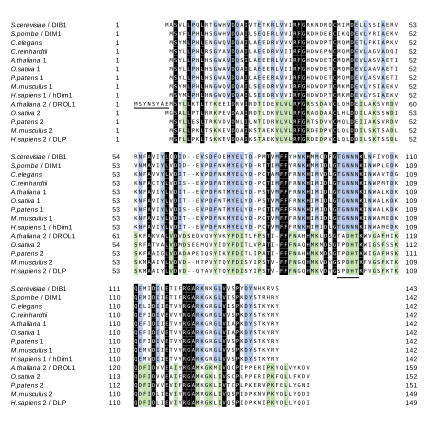
DROL1 and DIB1 Form Distinct Subfamilies

Multiple alignment
Phylogenetic tree
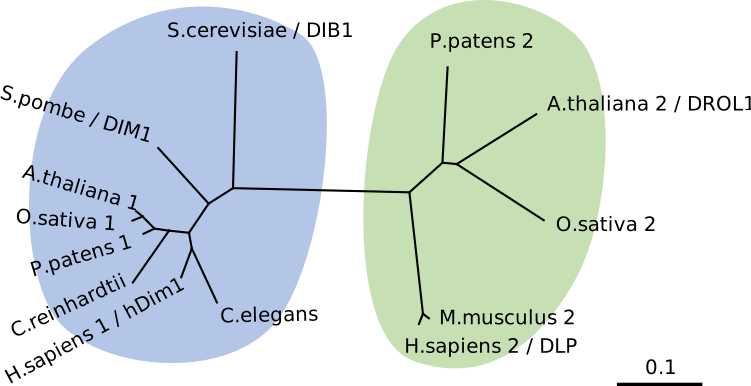
  • Arabidopsis DROL1 is a homolog of yeast DIB1 but belongs to a different subfamily.
  • All eukaryotes have more than one homolog of DIB1, but DROL1 is restricted to a part of eukaryotes.

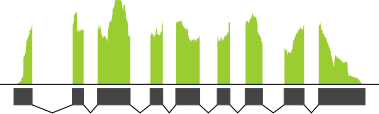
Specific Retention of AT–AC Introns in drol1

WT
drol1-1
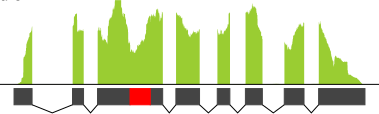
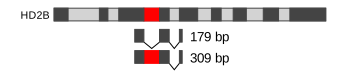
  • RNA-Seq reads were aligned to HD2B, whose third intron is AT–AC.
  • In the drol1-1 mutant, this third AT–AC intron is specifically retained.

drol1 Is Hypersensitive to ABA

ABA
0 µM 0.5 µM 1 µM 2 µM 5 µM
Col
drol1-1
drol1-2
  • Opening of the cotyledons was inhibited at 0.5 µM ABA in the drol1 mutants.
  • Greening of the cotyledons was inhibited at 1 µM ABA in the drol1 mutants.

ABA Responsive Genes Were Up-regulated in drol1

Key Question

  • どうしてスプライシングの欠損がABAへの応答を引き起こしているのかは不明である
  • In drol1, AT–AC introns are specifically retained, and ABA signaling is constitutively activated.
  • How does retention of AT–AC introns generate an ABA-like signal?
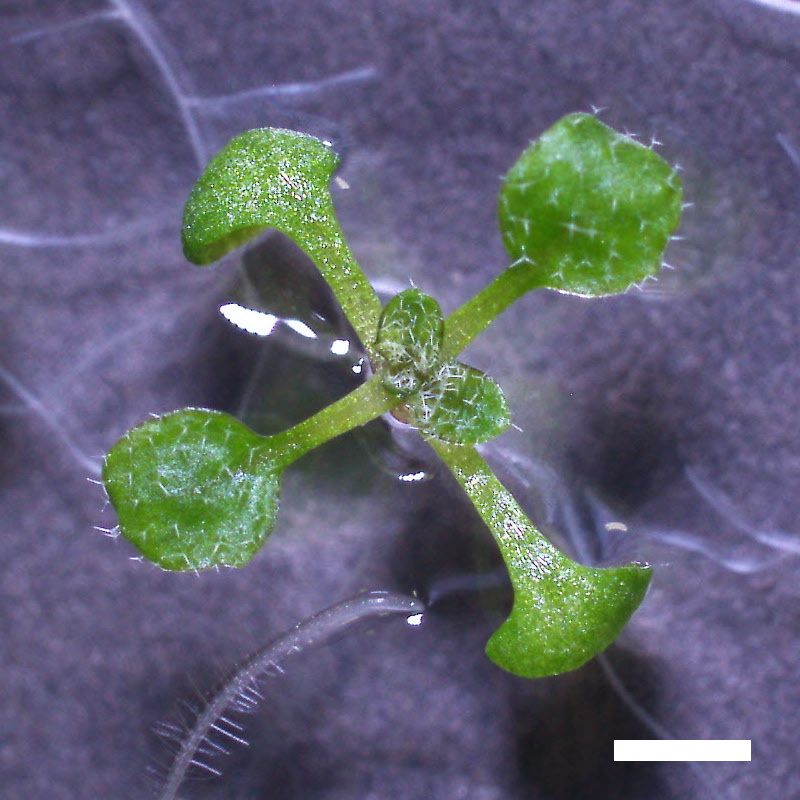
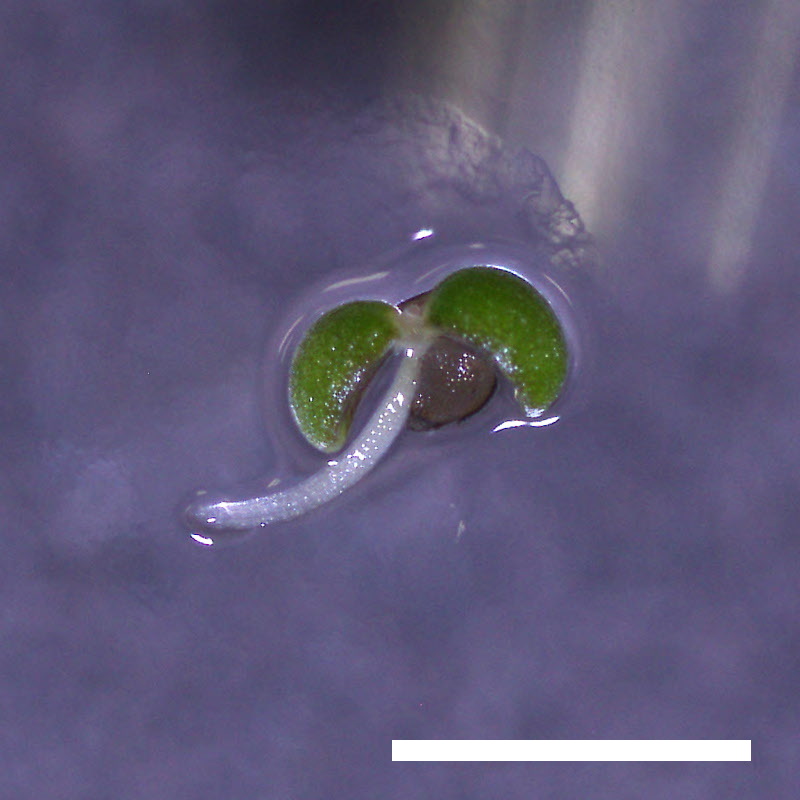
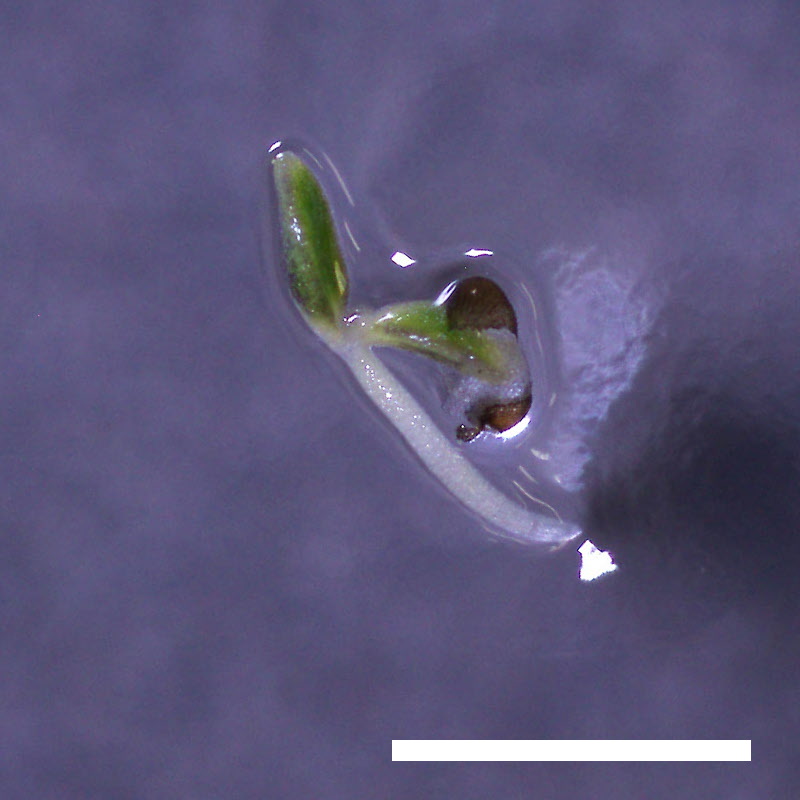
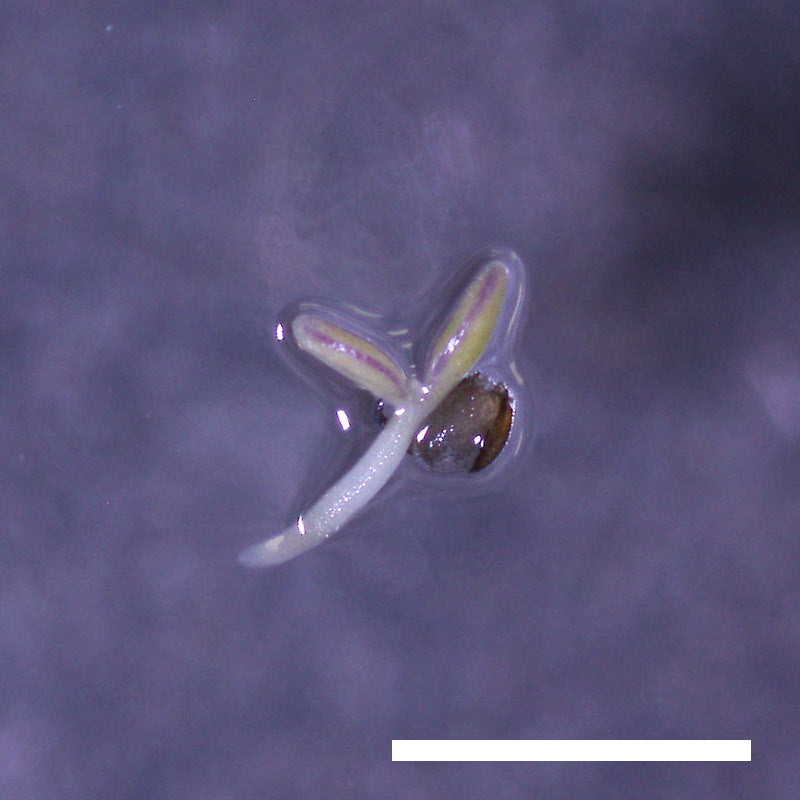
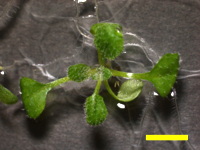
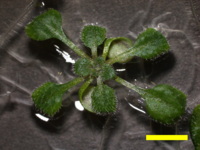
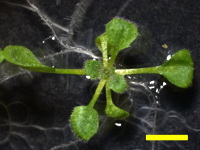
Isolation of drol1 Suppressors

WT
sudl1-1
sudl2-1
sudl2-2
sudl3-1
sudl3-3
sudl4-1
sudl4-2
drol1-1
ds1-1
ds2-1
ds2-2
ds3-1
ds3-3
ds4-1
ds4-2
drol1-2
drol1-2 / sudl1-1
drol1-2 / sudl2-1
drol1-2 / sudl3-1
drol1-2 / sudl4-1
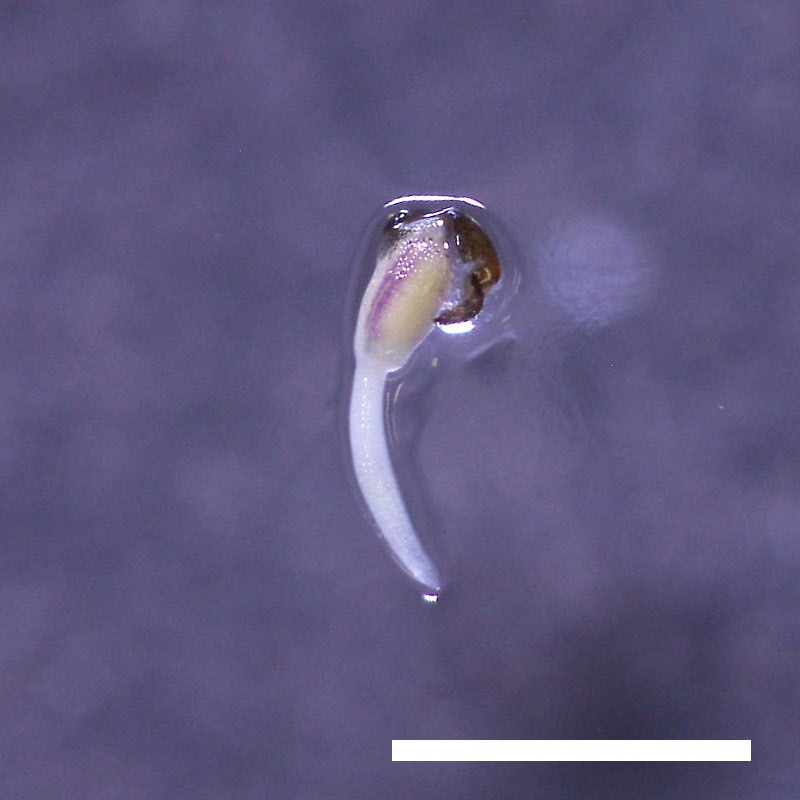
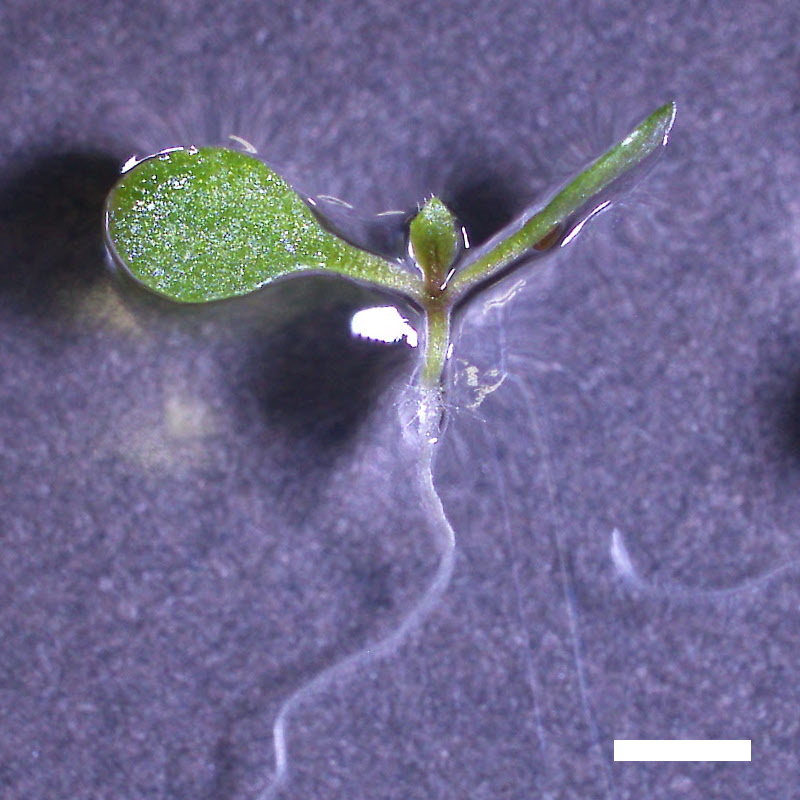
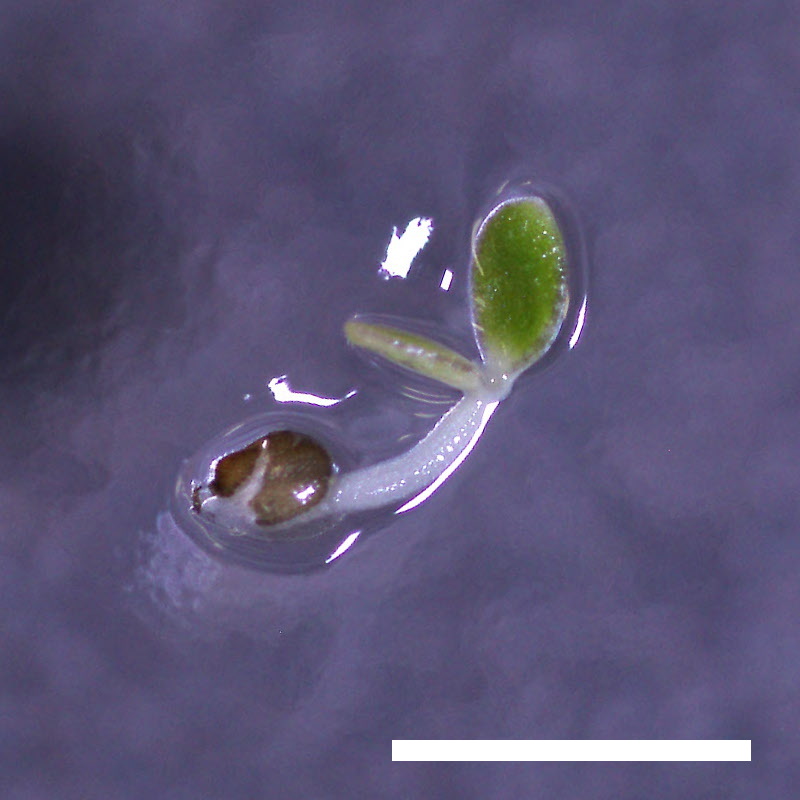
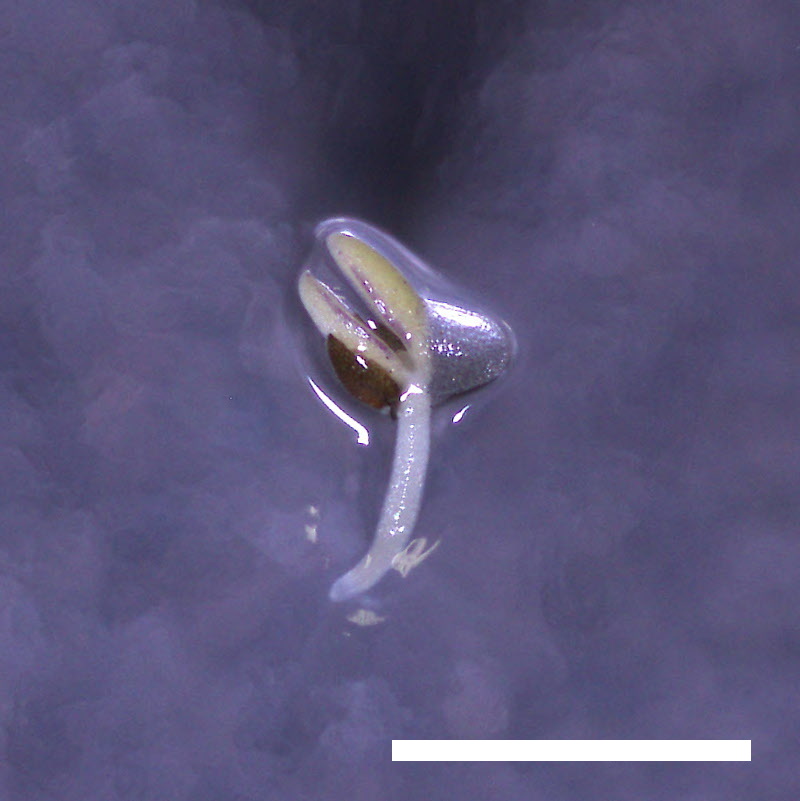
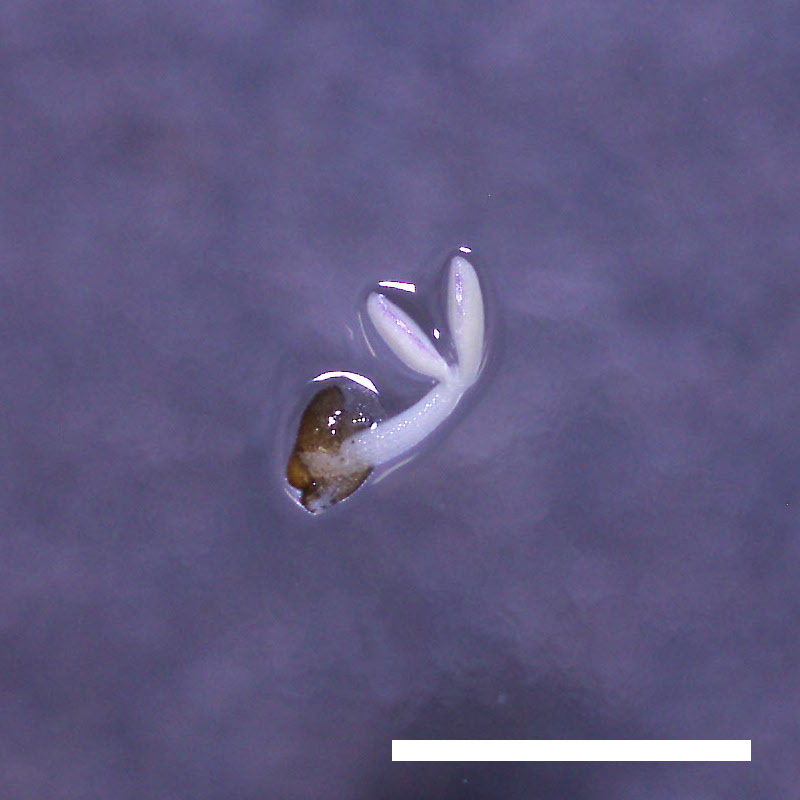
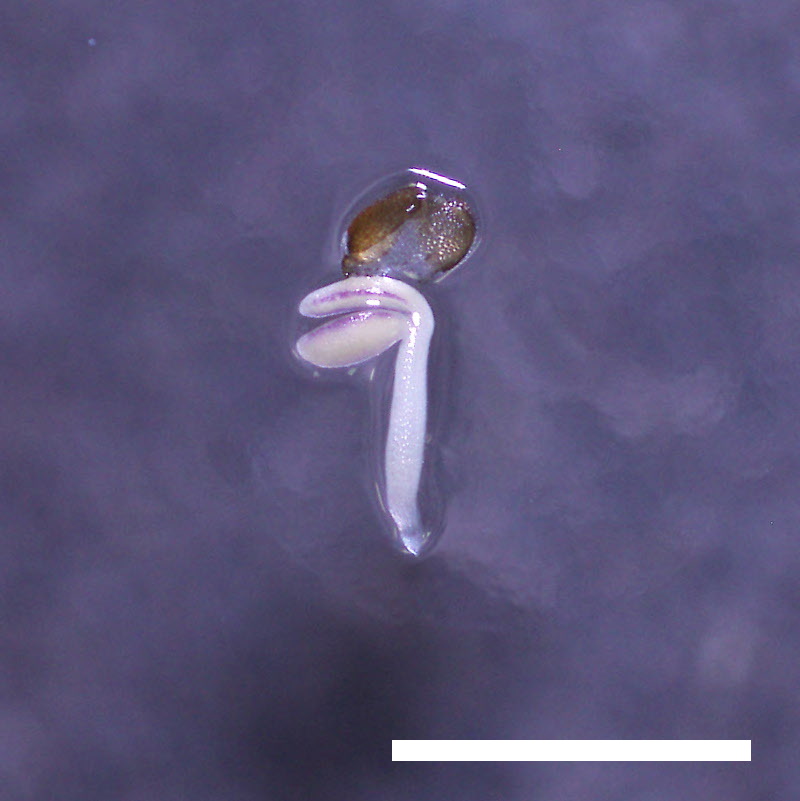
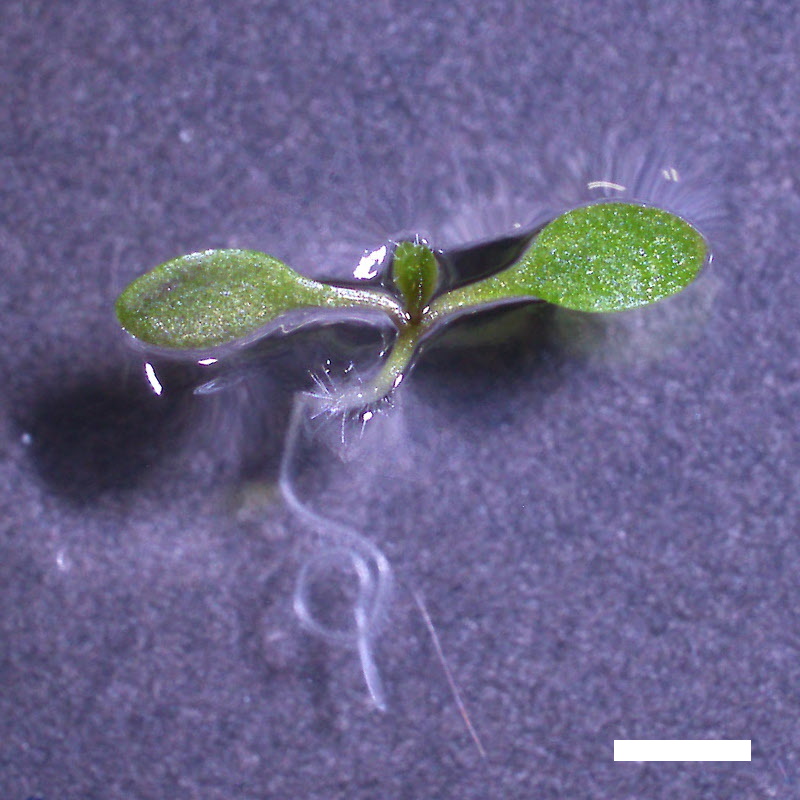
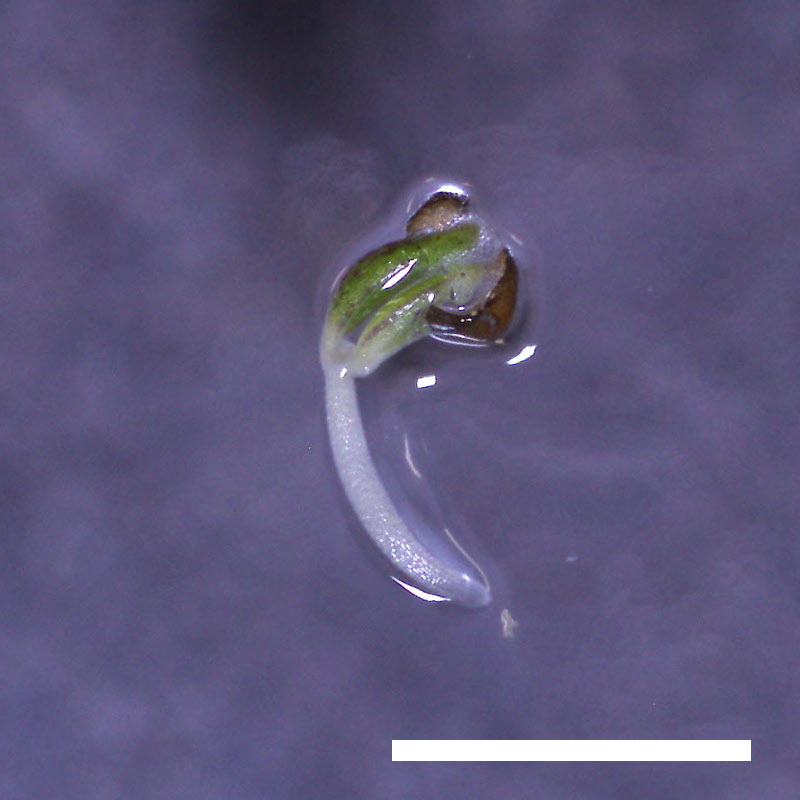
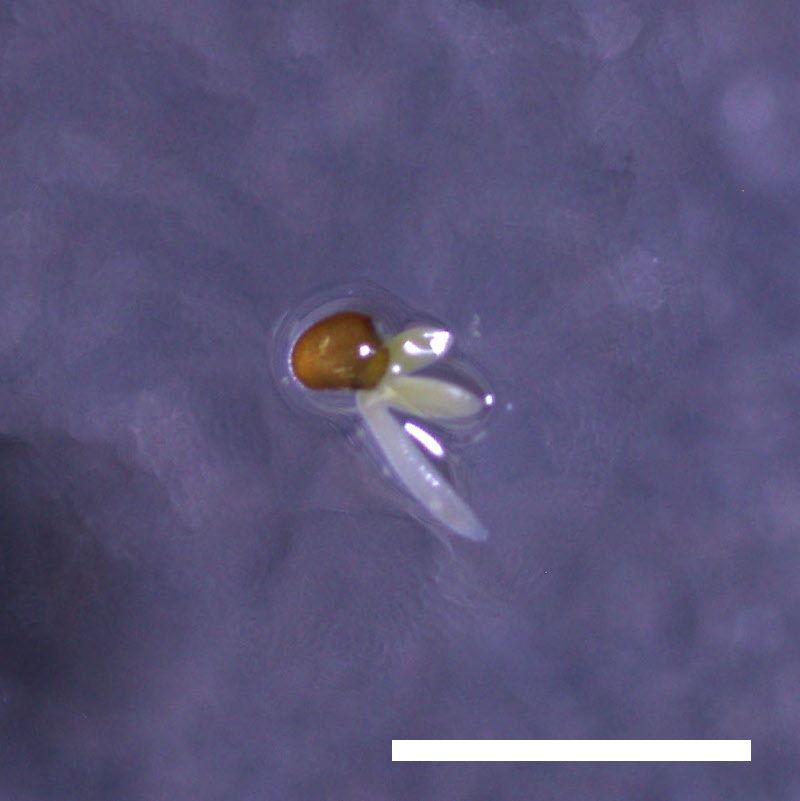
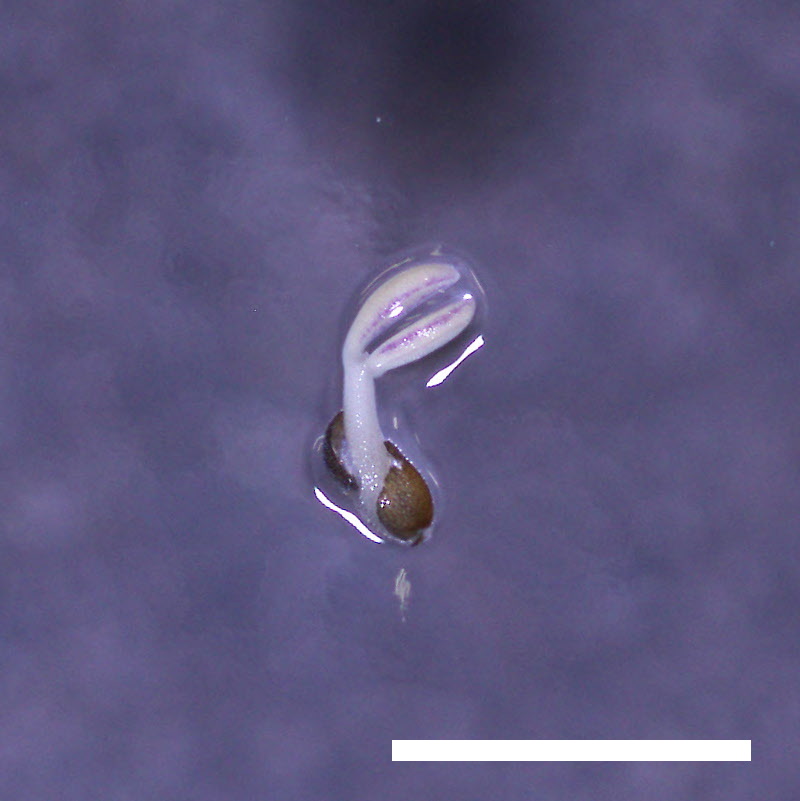
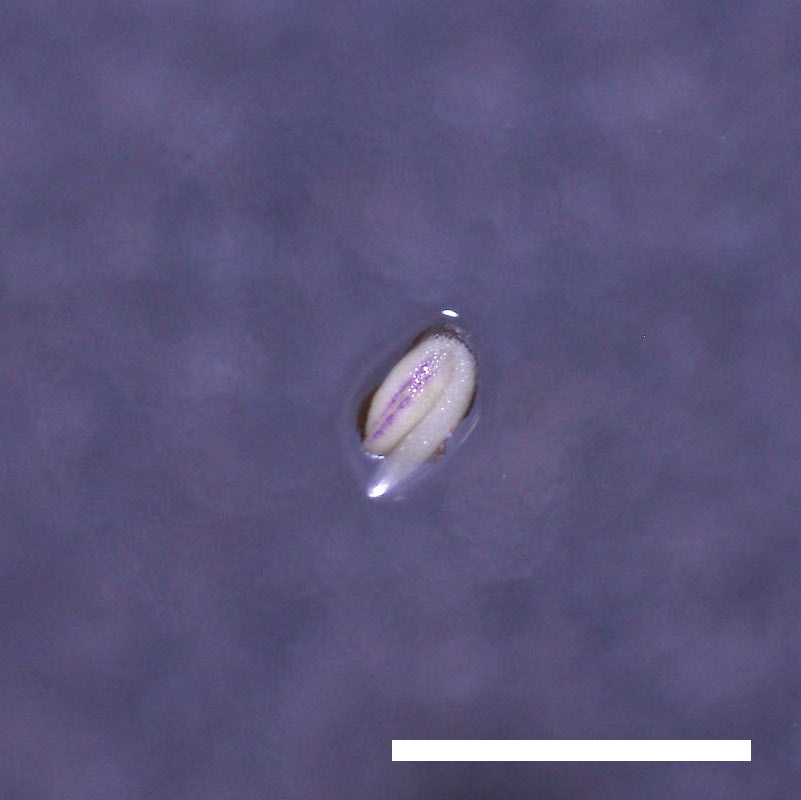
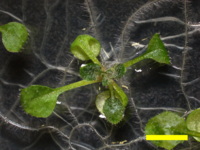
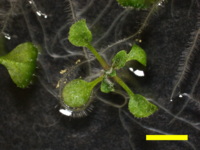
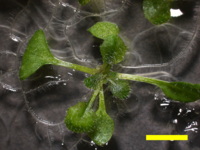
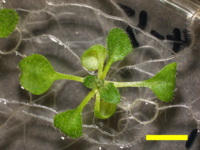
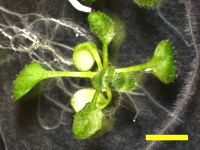
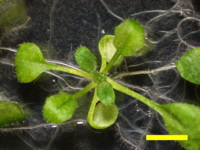
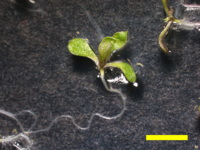
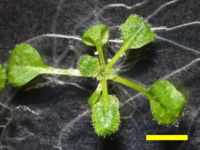
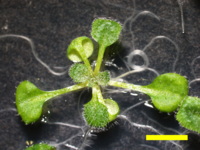
  • The drol1-1 (middle of the left panel) was treated with EMS, and suppressor mutants were screened.
  • We isolated seven suppressor mutants and named them as ds1-1, where the first number indicates the locus and the second denotes the suppressor allele (middle row).
  • Each ds mutant was backcrossed to the wild type to remove the drol1 mutation, and the resulting line was designated as sudl (top row).
  • The drol1-2 and sudl double mutant is shown in the bottom panel.
  • Scale bar = 5mm.

Semi-Dominant Suppression of Root-Length Defects

(A) ds1-1
(B) ds2-1
(C) ds3-1
(D) ds4-1
(E) ds2-2
(F) ds3-3
(G) ds4-2
  • Root length was measured 8 days after germination in the F2 progeny from the cross between drol1-1 and ds.
  • (A) Compared with the WT (leftmost box), the homozygous drol1-1 mutant (second box) showed shorter roots. The sudl1-1 gene restored root length (third and rightmost boxes) in a gene‑dosage–dependent manner.
  • (B-G) The other suppressors also exhibited semidominant effects.

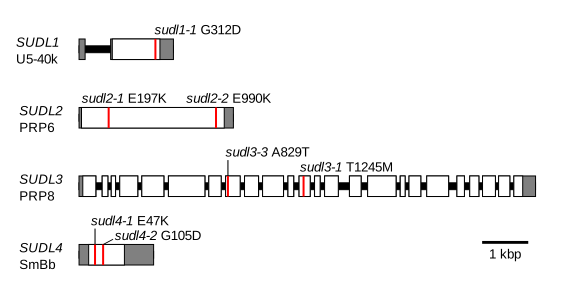
All Suppressor Genes Encode Subunits of U5 snRNP

Gene Structures and Mutations

  • Gray boxes represent untranslated regions (UTRs).
  • White boxes represent coding sequences (CDS).
  • Red vertical lines mark the locations of the suppressor mutations.

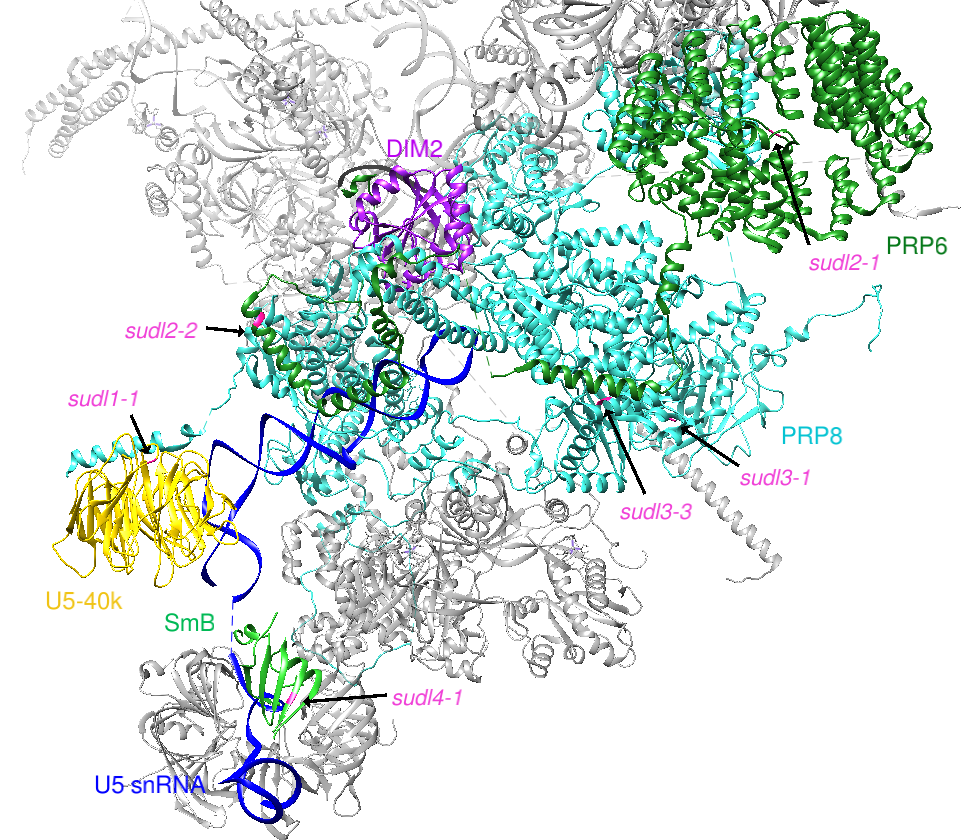
Mapping of Suppressor Mutations onto the Structural Model of the Human Minor pre-B Complex

  • Structure of the humant spliceosome (PBD accession: 8Y6O, RCSP; https://www.rcsb.org/) (Bai et al., 2024).
  • The DROL1 homolog DIM2 is shown in purple at the center.
  • Orthologs of the genes identified as drol1 suppressors are highlighted in color.
  • ヒトのスプライソソームの構造 (PBD accession: 8Y6O, RCSB; https://www.rcsb.org/) (Bai et al., 2024).
  • DROL1のホモログであるDIM2を紫で中央に示す。
  • drol1のサプレッサーとして同定された遺伝子のオルソログに色を付けた

Comprehensive Analysis of Intron Retention in drol1 and Its Suppressors

(A) drol1-1 vs WT
(B) ds1-1 vs WT
(C) sudl1-1 vs WT
(D) ds2-1 vs WT
(E) ds3-1 vs WT
(F) ds4-1 vs WT
  • RNA was extracted from whole seedlings at 5 days after germination, and RNA‑seq was performed.
  • PIR (Percent Intron Retention) values were calculated for all introns and compared with the WT. High PIR values indicate intron retention, whereas a value of 0 represents complete splicing.
  • (A) drol1-1 was compared with the WT. Introns shown in blue indicate those with significantly different PIR values; red indicates AT–AC introns among them. drol1 specifically exhibits increased retention of AT–AC introns.
  • (B) Compared with the WT, PIR values of most introns in ds1-1 were unchanged, with only a few AT–AC introns showing differences.
  • (C) sudl1-1 showed no difference from the WT.
  • (D-F) In ds2-1, ds3-1, and ds4-1, PIR values were reduced compared with drol1-1 shifting toward the WT pattern.
  • 発芽後5日の植物体全体からRNAを抽出し、RNA-Seqを行った。
  • 全イントロンのPIRを計算し、散布図に示した。
  • (A) drol1-1をWTと比較した。青色で示すイントロンはPIRが有意な差があるものを示す。 赤はそのうちのAT-ACイントロン
  • drol1ではAT-ACイントロンが特異的にスプライシングされなくなっている
  • (B) ds1-1ではほとんどのイントロンのPIRに変化はなかった。わずかなAT-ACイントロンに差が見られた。
  • (C) sudl1-1はWTと差がない。
  • (D) ds2-1drol1-1と比べるとWTに近づいている。
  • (E) ds3-1drol1-1と比べるとWTに近づいている。
  • (F) ds4-1drol1-1と比べるとWTに近づいている。

AT–ACイントロンのPIR

PIR for AT–AC Introns

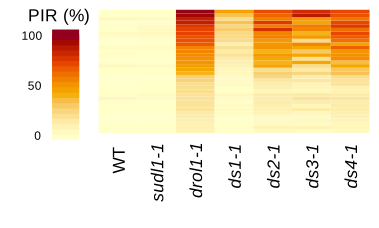
(A) Heatmap of PIRs
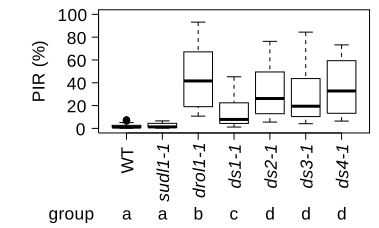
(B) Box plot of PIRs
  • (A) A heatmap was generated for the 37 AT–AC introns (vertical), showing their PIR values.
  • (B) Their PIR distributions were summarized as box plots.
  • The high PIR values observed in drol1-1 were markedly reduced in ds1-1.
  • In ds2-1 to ds4-1, PIR values were also lower than in drol1-1, although the reduction was less pronounced than in ds1-1.
  • Box plot of PIR
  • Heatmap of PIR

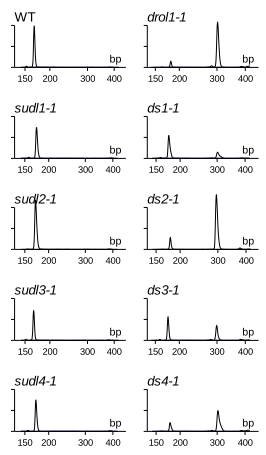
RT-PCR Analysis of AT–AC Intron Retention in HD2B mRNA

(A) Gene structure of HD2B and expected RT-PCR product
(B) Electropherogram of RT-PCR
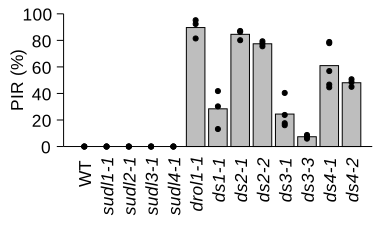
(C) PIR of HD2B AT–AC intron
  • (A) Structure of HD2B with the RT-PCR region spanning intron 3 (AT–AC) and 4, showing the two expected amplicons.
  • (B left column) WT and the single sudl mutants showed only the fully spliced peak.
  • (B right column) In drol1‑1 and the 4 ds mutants, an additional peak corresponding to the retained AT–AC intron was detected.
  • (C) PIR of the AT–AC intron was calculated from the peaks in (B) and plotted as a bar graph.
  • (A) HD2Bの3番目のイントロン(AT–AC)と4番目のイントロンをはさむようにRT-PCRを行った。
  • (B) WT、sudlの各単独変異株ではAT–ACイントロンがスプライシングされていた。
  • drol1-1dsの各単独変異株ではAT–ACイントロンが残っていた。
  • (C) AT–ACイントロンの残留率 を計算し、下の棒グラフに示した。

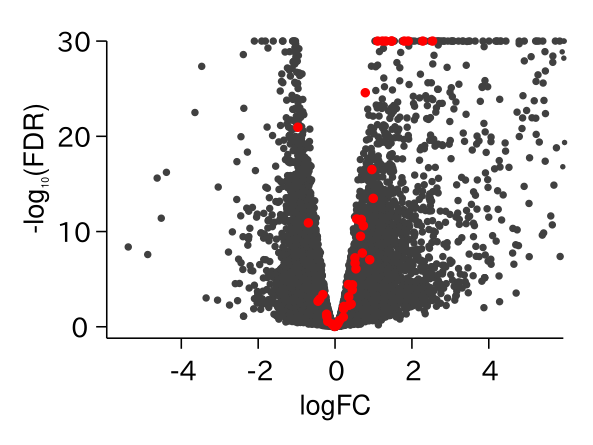
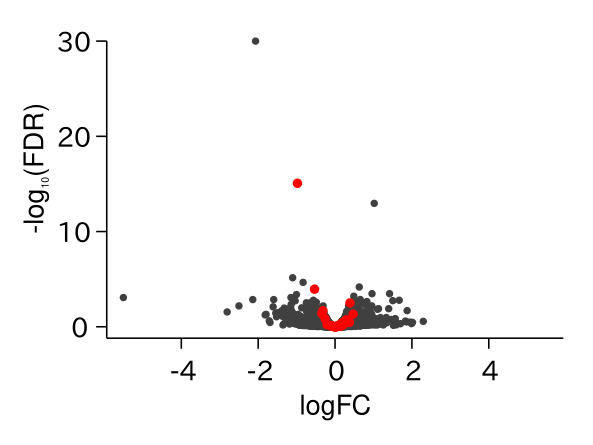
Comprehensive Transcriptome Analysis of drol1 and Its Suppressors

(A) drol1-1 vs WT
(B) ds1-1 vs WT
(C) sudl1-1 vs WT
(D) ds2-1 vs WT
(E) ds3-1 vs WT
(F) ds4-1 vs WT
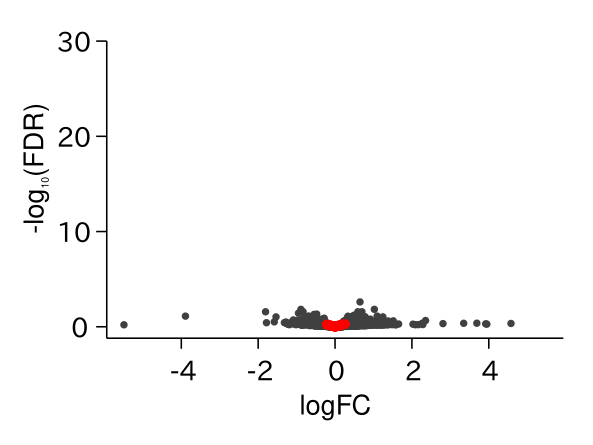
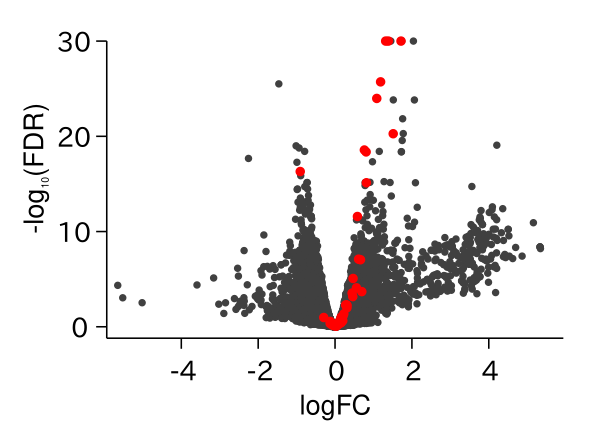
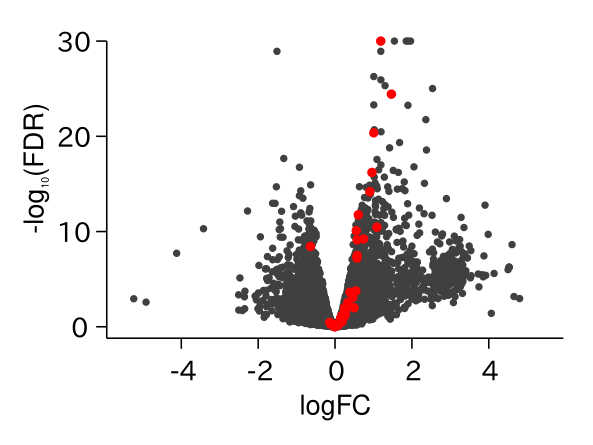
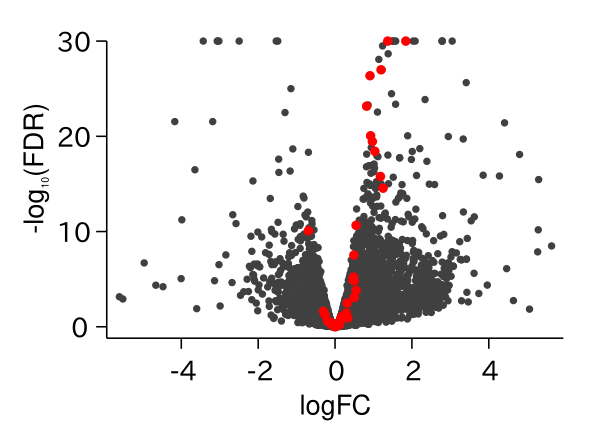
  • Gene expression patterns were analyzed by RNA‑seq and presented as volcano plots comparing each mutant with the WT.
  • (A) In drol1‑1, 214 genes showed logFC ≥ 2 compared with WT. Red dots represent genes that contain AT–AC introns.
  • (B, C) ds1‑1 showed minimal differences from WT, and sudl1‑1 was essentially indistinguishable from WT.
  • (D-F) ds2‑1 to ds4‑1 showed smaller deviations from WT than drol1‑1, indicating suppressor effects.
  • 遺伝子発現をRNA-Seqを用いて調べた。
  • drol1では野生株と比較して、logFCが2以上の遺伝子が214個あった。
  • ds1-1と野生株にはほとんど差がなく、sudl1-1ではWTと同じといってよいレベルであった。
  • ds2-1からds4-1drol1-1よりも野生株との差は小さく、サプレッサーの効果があった。

Heatmap of Differentially Expressed Genes

  • A heatmap was generated for the 214 genes that were differentially expressed in drol1-1.
  • In ds1-1, most genes returned to WT‑like expression levels.
  • In ds2-1 to ds4-1, expression levels moved closer to the WT than in drol1-1, although the overall pattern still retained features of drol1-1.
  • The 12 genes most strongly upregulated in drol1-1 were instead downregulated in ds2‑1 and ds4‑1. These genes included ABA‑inducible genes such as Late Embryogenesis Abundant (LEA) proteins.
  • drol1-1で有意な発現変動を示した214個の遺伝子の発現量のヒートマップを作成した。
  • ds1-1ではほとんどの遺伝子が野生型と同程度の発現量に戻ったことがわかる。
  • drol1よりも発現量が野生株に近づいているが、発現パターンはdrol1の特徴を残している
  • ヒートマップの右端にある遺伝子は特にds2-1で逆に抑えられていた。
  • これらの中にはLate embryogenesis abundant protein (LEA)などのABA誘導性遺伝子が含まれていた。

RT-PCR Analysis of mRNA localization

  • Seedlings of WT, drol1‑1, and ds1‑1 were subjected to cellular fractionation to obtain nuclear and cytoplasmic fractions.
  • RNA was extracted from each fraction and analyzed by RT‑PCR.
  • In WT (left column), a small amount of AT–AC intron-retaining RNA was detected only in the nuclear fraction.
  • In drol1-1 (middle column), spliced AT–AC intron products predominated in the cytoplasm, whereas intron‑retaining transcripts accumulated in the nucleus.
  • 野生株、drol1-1, ds1-1の芽生えを細胞分画に供し、核画分と細胞質画分に分けた。
  • それぞれの画分からRNAを抽出し、RT-PCRを行った。
  • WTではAT–ACイントロンを残したRNAがわずかに核画分から検出された。
  • drol1では細胞質にはAT–ACイントロンがスプライシングされたものが多く、核内では残したものが多く含まれていた。

Discussion

  • The suppressors completely rescued the morphological phenotype of drol1, but restoration of splicing was incomplete.
  • These findings indicate that the drol1 phenotype is not caused solely by reduced gene expression resulting from AT–AC intron retention.
  • All suppressors carried mutations in U5 snRNP components, indicating that the spliceosome itself generates the signal that gives rise to the drol1 phenotype.
  • In animal cells, inhibition of splicing has been reported to cause enlargement of nuclear speckles.
  • If a similar phenomenon occurs in drol1, it may contribute to the morphological abnormalities observed in this mutant.
  • Future studies will focus on analyzing nuclear structure in drol1 to further investigate the relationship between splicing and ABA responses.
  • drol1ではAT-ACイントロンが特異的にスプライシングされなくなっていた。
  • サプレッサーはdrol1の形態上の表現型は完全に抑圧したが、スプライシング自体の回復は不完全であった。
  • このことはdrol1の表現型はイントロン残留による遺伝子発現の抑制だけが原因ではないことを意味している。
  • このことはサプレッサーの効果はスプライシングの回復を通してではなく、別の何らかのシグナルの発生を抑えることによるものと考えられる。
  • スプライシングの阻害で、核スペックルが肥大することが動物の細胞では報告されている。
  • drol1で同様のことが起きているとすると、それがdrol1の形態異常を引き起こしている可能性が考えられる。
  • 今後、drol1の核内構造の観察を通して、スプライシングとABA応答の関わりについて研究を深めていく。
  • すべてのサプレッサーはU5 snRNPの変異によるものであったことから、スプライソソームがdrol1の表現型を引き起こすシグナルを発していることを意味する。

Acknowledgement

I thank all members of my laboratory for their support and assistance.

This work was supported by the following grants.

Publications

  • Suzuki, T., Niwa, T., Furuta, A., Aramaki, D., Toyama, K., Ito, M., Kikuchi, R., Ishikawa, S., Ohsumi, T., Inonue, T., Shiotani, Y., Ito, Y., Inami, Y. (2025) DROL1/DIB1 determines U5 snRNP specificity for intron terminal dinucleotide in Arabidopsis. The Plant journal Vol.123 pp.e70493
  • Suzuki, T., Shinagawa, T., Niwa, T., Akeda, H., Hashimoto, S., Tanaka, H., Hiroaki, Y., Yamasaki, F., Mishima, H., Kawai, T., Higashiyama, T., Nakamura, K. (2022) The DROL1 subunit of U5 snRNP in the spliceosome is specifically required to splice AT-AC-type introns in Arabidopsis. The Plant journal Vol.109 pp.633

You can download a copy of this poster here.